

Lightness and processing
Reduce weight, increase performance: The advantage of lightweight HPPs
In an industrial world that is increasingly demanding in terms of performance and durability, lightweight materials are becoming a strategic lever. Combined with ease of processing, they facilitate the design of optimized technical components, while reducing carbon footprints and manufacturing costs.
Why choose a lightweight, easy-to-process polymer?
Reducing the weight of a part means:
- Lowering energy consumption
- Reducing mechanical wear
- Facilitating transport, assembly and maintenance
- Meeting eco-design requirements
High-performance polymers (HPP), 5 to 8 times lighter than metals, offer superior specific rigidity compared to standard plastics, while being highly processable.
Lightweight HPP Polymers - DEMGY selection
High-precision processing
HPP machining
- Tight tolerances and dimensional stability
- Ideal for complex parts in short runs
Technical injection molding
- Repeatability, fiber reinforcements (carbon, glass)
- Short cycle times, high yield
Extrusion & molding
- Films, sheets, tubes with dimensional control
Additive manufacturing
- Optimized geometries without molds
- Rapid prototyping of functional parts
HPPs vs. standard plastics vs. metals
| Criterion | Standard plastics | Metals | HPP polymers |
|---|---|---|---|
| Density | Low | High | Low |
| Mechanical strength | Low to medium | High | Medium to high |
| Machinability | Good | Difficult, costly | Excellent |
| Processing | Limited | Slow, cumbersome | Versatile |
Examples of industrial applications
Aeronautics & Space
- Satellite components, insulating jackets
- Vespel® SCP-5000: the benchmark for cryogenic environments
Automotive & mobility
- Connector supports, under-hood parts
- PPS Ryton® R4: lightness and rigidity for electrification
Medical & Pharma
- Injected parts, surgical tools, implants
- Medical PEEK: weight reduction + radiotransparency
Precision mechanics
- Bearings, slideways, gears
- Torlon® 4203: self-lubrication and exceptional rigidity
DEMGY: from material to processed part
Advice & choice of materials
- Selection based on your mechanical, thermal and economic constraints
Multi-process processing
- 5-axis machining, injection, compression, 3D HPP
Rapid industrialization
- Validated prototypes, traceability, REACH, FDA, ISO compliance
Conclusion
To reconcile lightness, optimized processing and technical resistance, HPPs represent a strategic alternative to standard metals and plastics. DEMGY offers you a complete range of engineering polymers, adapted to your most demanding industrial constraints.
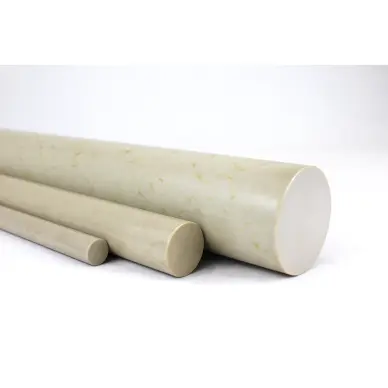
Formats : Rod - Plate
Polymer abbreviation : PEEK
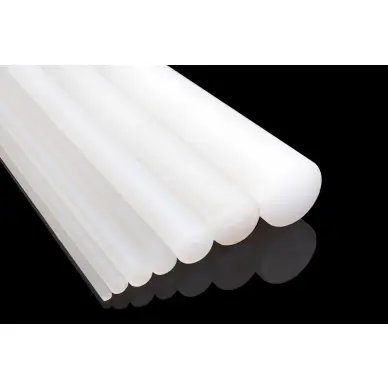
Formats : Rod - Plate
Polymer abbreviation : PVDF
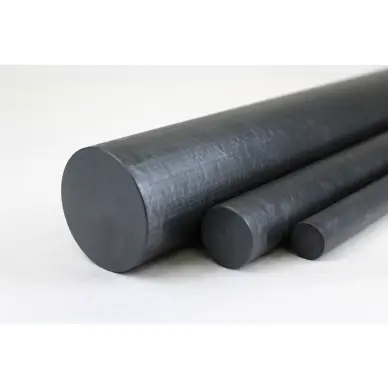
Formats : Rod - Plate
Polymer abbreviation : PPS
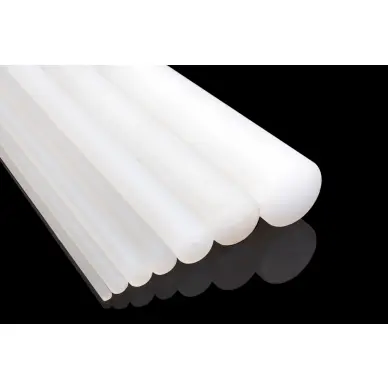
Formats : Rod - Plate
Polymer abbreviation : FEP
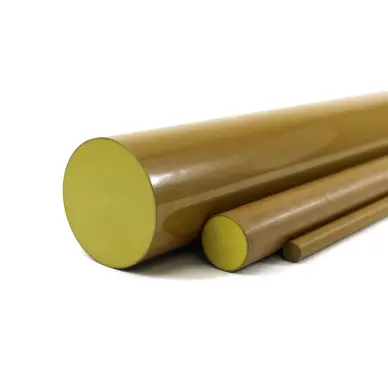
Formats : Rod - Tube - Plate
Polymer abbreviation : PAI
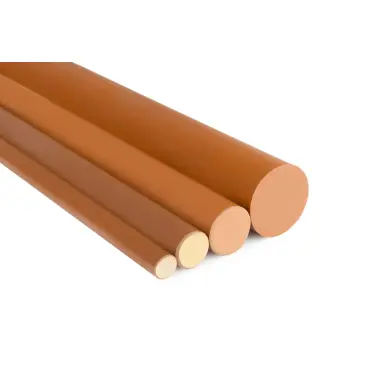
Formats : Rod - Plate
Polymer abbreviation : PI